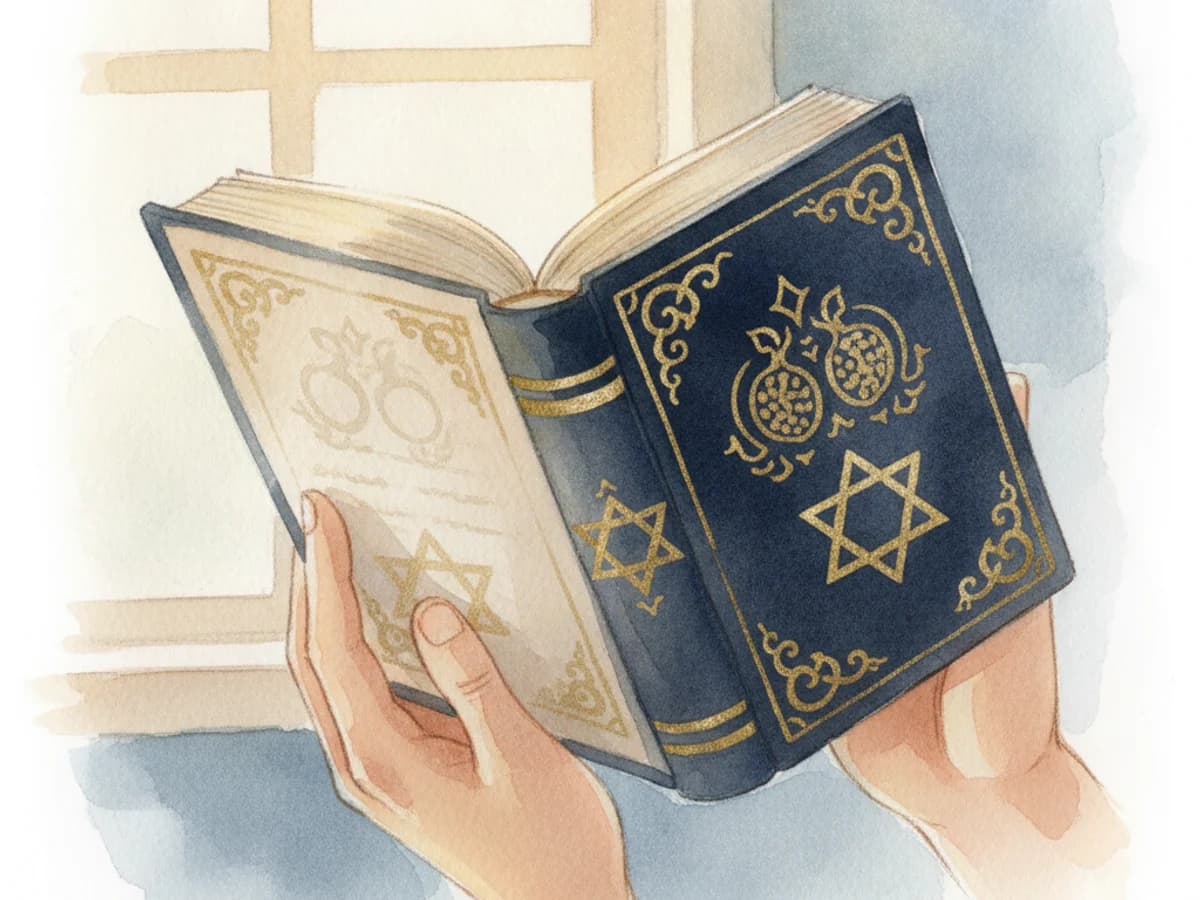
Jewish prayer forms the cornerstone of daily Jewish life, making it essential knowledge for conversion candidates. Prayer, or "davening" in Yiddish, connects Jews to God three times daily through structured liturgy that has remained largely unchanged for centuries.
Understanding Jewish prayer goes beyond memorizing Hebrew words. It involves grasping the rhythm of Jewish time, the structure of services, and the spiritual framework that shapes Jewish consciousness. For conversion students, mastering prayer basics demonstrates commitment to Jewish practice and provides the foundation for meaningful synagogue participation.
This comprehensive guide covers everything conversion candidates need to know about Jewish prayer, from daily services to special occasions, helping you navigate this central aspect of Jewish life with confidence.
📌 Key Takeaways
- Jews pray three times daily: Shacharit (morning), Mincha (afternoon), and Maariv (evening)
- The Amidah (Standing Prayer) forms the core of every service
- Prayer books vary by denomination but share common core prayers
- Hebrew fluency isn't required initially - transliteration and translation help beginners
- Regular prayer practice builds spiritual discipline essential for Jewish life
The Structure of Jewish Prayer Services
Jewish prayer follows a precise structure that varies slightly between denominations but maintains consistent core elements. Each service begins with preliminary prayers and blessings, progresses through psalms and readings, and culminates in the central Amidah prayer.
The morning service (Shacharit) is the longest and most complex, incorporating additional elements like the Shema and its blessings. Afternoon prayers (Mincha) focus primarily on the Amidah with minimal additions. Evening prayers (Maariv) include the bedtime Shema and related blessings.
Understanding this structure helps conversion candidates follow along in synagogue and develop personal prayer routines. Most Jewish conversion classes dedicate significant time to prayer instruction, recognizing its central importance in Jewish practice.
Essential Daily Prayers Every Convert Should Know
The Shema and Its Blessings
The Shema represents Judaism's central declaration of faith: "Hear O Israel, the Lord our God, the Lord is One." Recited twice daily, morning and evening, the Shema encompasses three biblical passages affirming God's unity, the commandment to love God, and the obligation to remember the Exodus.
Two blessings precede the morning Shema, focusing on creation and God's love for Israel through Torah. One blessing follows, emphasizing redemption and God's protection. The evening Shema includes different blessings addressing themes of day and night, divine protection, and peaceful rest.
Learning the Shema and its blessings provides conversion candidates with a portable prayer practice that requires no prayer book or synagogue setting. Many converts find this prayer particularly meaningful as it encapsulates core Jewish beliefs in concise, powerful language.
The Amidah (Standing Prayer)
The Amidah consists of 19 blessings recited while standing and facing Jerusalem. On weekdays, the middle 13 blessings contain personal and communal petitions covering health, sustenance, justice, and redemption. Sabbath and holiday Amidahs replace these petitions with prayers appropriate to the occasion.
The prayer begins with three blessings of praise acknowledging God as the God of the patriarchs and matriarchs, the source of divine power, and the holy one. It concludes with three blessings of gratitude for Temple service, thanksgiving for God's daily miracles, and a prayer for peace.
During synagogue services, the Amidah is recited silently by individuals, then repeated aloud by the prayer leader. This structure allows for both personal devotion and communal participation, balancing individual spiritual needs with collective worship.
Prayer Times and the Jewish Day
Jewish prayer times follow a different rhythm than secular scheduling, aligning with natural cycles of dawn, noon, and dusk rather than clock time. Morning prayers begin at sunrise and extend until roughly one-third of the day has passed. Afternoon prayers start after midday and continue until sunset. Evening prayers commence after sunset and may be recited throughout the night.
This schedule reflects Judaism's lunar-solar calendar and agricultural origins, connecting daily worship to natural rhythms. For modern conversion candidates, adapting to Jewish prayer times often requires significant lifestyle adjustments, particularly regarding work schedules and meal timing.
Many converts find that maintaining consistent prayer times, even when abbreviated due to circumstances, builds spiritual discipline and Jewish consciousness more effectively than longer but irregular prayer sessions.
💡 Good to know
Download a Jewish calendar app to track precise prayer times for your location. These times change daily based on sunrise and sunset, making accurate timing crucial for proper observance.
Differences Between Denominational Prayer Practices
| Aspect | Orthodox | Conservative | Reform |
|---|---|---|---|
| Language | Primarily Hebrew | Hebrew with some English | Hebrew and English mix |
| Service Length | 2-3 hours (Shabbat) | 1.5-2 hours (Shabbat) | 1-1.5 hours (Shabbat) |
| Gender Roles | Separate seating | Mixed seating, equal participation | Full equality |
| Music | Vocal only | Organ/instruments on Shabbat | Full instrumental accompaniment |
| Prayer Book | ArtScroll, Koren | Siddur Sim Shalom | Mishkan T'filah |
Understanding these denominational differences helps conversion candidates choose appropriate synagogue communities and prayer books. While core prayers remain consistent across movements, style, pace, and theological emphasis vary significantly.
Orthodox services maintain traditional Hebrew liturgy with minimal modifications, expecting congregants to follow Hebrew text. Conservative services balance tradition with accessibility, incorporating more English readings and contemporary melodies. Reform services prioritize meaning over Hebrew fluency, often providing extensive English translations and contemporary interpretations.
Learning Hebrew for Prayer
Hebrew literacy significantly enhances Jewish prayer experience, though it's not required for meaningful participation. Most conversion programs teach Hebrew reading skills alongside prayer instruction, focusing on fluency rather than comprehension initially.
The Hebrew used in prayers differs from modern conversational Hebrew, incorporating biblical and rabbinic vocabulary with specific grammatical forms. Many prayers use poetic language and metaphorical expressions that require cultural context to fully appreciate.
Conversion candidates should start with transliterated versions while gradually building Hebrew reading skills. Most siddurim (prayer books) provide Hebrew text, transliteration, and English translation on facing pages, allowing progressive learning without interrupting prayer flow.
As covered in our Hebrew alphabet guide, mastering Hebrew letters and vowel sounds provides the foundation for prayer reading. Regular practice with audio recordings helps develop proper pronunciation and prayer melodies.
⚠️ Warning
Don't let Hebrew difficulties discourage your prayer practice. Many lifelong Jews continue learning Hebrew vocabulary and grammar throughout their lives. Focus on consistency and gradual improvement rather than perfection.
Special Prayers for Holidays and Life Events
Jewish holidays require additional prayers and modifications to regular services. Rosh Hashanah and Yom Kippur feature extended liturgy with unique prayers like Kol Nidre and the blowing of the shofar. Sukkot includes the Four Species blessing and special psalms. Passover incorporates readings about freedom and redemption.
Life cycle events also involve specific prayers and blessings. Baby namings, bar/bat mitzvah ceremonies, weddings, and mourning periods each have associated liturgy that conversion candidates should understand. These prayers often carry deep emotional significance and connect individual experiences to Jewish collective memory.
Learning holiday and life cycle prayers provides conversion candidates with tools for marking sacred time and participating fully in Jewish community celebrations. Many converts find these special prayers particularly moving as they mark their integration into Jewish life rhythms.
Building a Personal Prayer Practice
Developing consistent prayer habits requires patience and flexibility. New converts shouldn't attempt full daily services immediately but rather build gradually from core prayers like the Shema and abbreviated Amidah.
Morning prayers offer an ideal starting point, providing spiritual focus for the day ahead. Begin with basic blessings upon waking, the Shema, and a shortened Amidah. Add elements slowly as comfort and knowledge increase.
Creating a designated prayer space, even in small apartments, helps establish routine and spiritual focus. This might include a prayer book, kippah, and perhaps a small artistic element that inspires reflection. Regular timing matters more than perfect Hebrew pronunciation or complete liturgical knowledge.
Many conversion candidates find prayer partnerships or study groups helpful for maintaining motivation and learning proper melodies. Synagogue attendance provides communal prayer experience and exposure to seasonal variations throughout the Jewish year.
Prayer Books and Resources for Conversion Students
Selecting appropriate prayer books depends on denominational affiliation and Hebrew skill level. Beginner-friendly siddurim include extensive transliteration, clear English translations, and explanatory notes about prayer structure and meaning.
The ArtScroll series offers traditional Orthodox liturgy with detailed commentary and instructions. Conservative movement siddurim like Siddur Sim Shalom balance traditional Hebrew with contemporary insights. Reform prayer books emphasize accessibility and contemporary language while maintaining Hebrew core prayers.
Digital prayer resources include apps with audio pronunciation, daily prayer reminders, and location-based timing calculations. Online videos demonstrate proper prayer postures, movements, and melodies. Many synagogues offer recorded services that conversion candidates can use for home practice.
Consider purchasing both a complete siddur for comprehensive study and a pocket version for daily use. Bookmark key prayers and use sticky notes to mark your progress through different service sections.
Common Prayer Challenges for New Converts
Physical aspects of Jewish prayer can initially feel unfamiliar to conversion candidates. Standing for extended periods during the Amidah, bowing at specific moments, and swaying (shuckling) while praying represent embodied worship traditions that require practice.
Following along in Hebrew text while understanding English meaning challenges multitasking abilities. Many beginners feel lost during fast-paced synagogue services or worry about making mistakes in pronunciation or timing.
Social dynamics in established congregations can intimidate newcomers who lack familiarity with unwritten customs about when to sit, stand, or respond. Different synagogues may use varying melodies for identical prayers, adding confusion for those learning standard versions.
These challenges diminish with regular practice and patient community mentorship. Most congregations welcome conversion students and offer guidance about local customs and practices.
💡 Good to know
Ask your sponsoring rabbi about synagogue-specific customs before your first service. Simple questions about appropriate dress, service length, and participation expectations prevent awkward situations and demonstrate respectful preparation.
Frequently Asked Questions
Do I need to pray in Hebrew to be Jewish?
While Hebrew is the traditional language of Jewish prayer, conversion candidates aren't expected to achieve fluency immediately. Many prayers have deep meaning in English translation, and gradual Hebrew learning enhances but doesn't replace sincere devotional practice. Focus on consistency and intention while building Hebrew skills over time.
How long should daily prayers take for beginners?
Beginning conversion students might spend 10-15 minutes on morning prayers, focusing on essential elements like morning blessings, Shema, and abbreviated Amidah. Full traditional services can take 45-60 minutes for morning prayers, but building slowly prevents overwhelm and establishes sustainable habits.
Can I pray at home instead of attending synagogue?
Jewish law permits and even requires daily prayers outside synagogue settings. However, certain prayers like the full Kaddish require a minyan (10 Jewish adults), making synagogue attendance valuable for complete liturgical experience. Balance home practice with regular synagogue participation for optimal spiritual development.
What if I make mistakes during synagogue prayers?
Prayer mistakes are normal and expected, especially for conversion students. Jewish communities generally appreciate sincere effort over perfect execution. If uncertain about responses or movements, observe others quietly and participate as comfort allows. Most congregants gladly assist newcomers who ask for guidance.
Should I buy an expensive prayer book or start with basic versions?
Begin with moderately priced siddurim that include transliteration, translation, and basic instructions. As Hebrew skills develop and denominational preferences clarify, invest in higher-quality editions with commentary and artistic elements. Many synagogues provide prayer books for services, allowing exploration before purchasing personal copies.
Conclusion
Mastering Jewish prayer basics provides conversion candidates with essential tools for Jewish living and spiritual growth. While initially challenging, regular prayer practice builds familiarity with Hebrew, Jewish time rhythms, and theological concepts central to Jewish identity.
Success in learning Jewish prayers requires patience, consistent practice, and community support. Start with core prayers, build Hebrew skills gradually, and participate regularly in synagogue services to experience the full richness of Jewish liturgical tradition.
Remember that prayer proficiency develops over years, not months. Many born Jews continue learning new aspects of prayer throughout their lives, discovering deeper meanings and connections as their understanding grows.
Ready to deepen your conversion preparation? Explore our comprehensive study resources and practice materials designed specifically for Jewish conversion candidates seeking to master essential knowledge and skills for successful Beit Din interviews.