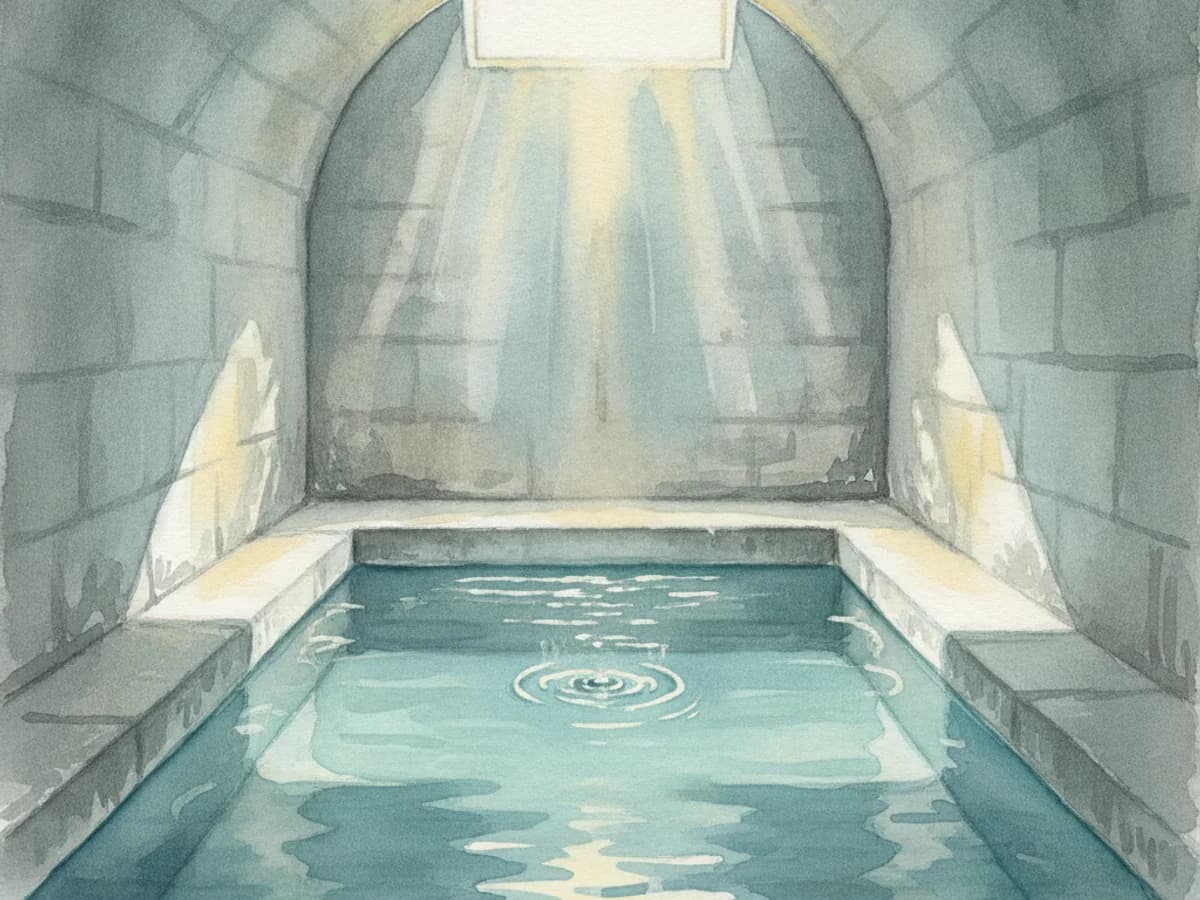
The mikvah ritual marks the final transformative step in Jewish conversion, representing spiritual rebirth through ritual immersion in living waters. This ancient ceremony, required by all major Jewish denominations, serves as both the culmination of your conversion journey and your symbolic entry into the Jewish people.
The mikvah immersion occurs after completing your studies, observing Jewish practices, and receiving approval from your Beit Din (rabbinical court). During this profound moment, you'll immerse yourself completely in the ritual waters while reciting blessings, emerging as a full member of the Jewish community.
Understanding what to expect during your mikvah ceremony helps alleviate anxiety and allows you to focus on the spiritual significance of this life-changing moment. From practical preparation to emotional readiness, proper knowledge ensures your conversion mikvah becomes a meaningful and memorable experience.
📌 Key Takeaways
- Mikvah immersion is required for all Jewish conversions and occurs after Beit Din approval
- Complete physical and spiritual preparation takes place before entering the waters
- The ritual involves 3 full immersions with specific blessings and prayers
- A mashgiach (attendant) guides you through the entire process for safety and ritual validity
Understanding the Mikvah's Spiritual Significance
The mikvah represents far more than a ritual bath - it symbolizes spiritual transformation and rebirth. Jewish tradition teaches that immersion in living waters cleanses the soul and creates a new spiritual identity. For converts, this moment marks the completion of their journey into Judaism.
The word "mikvah" comes from the Hebrew root meaning "collection" or "gathering," referring to the gathering of natural waters. These waters must meet strict halachic requirements, including rainwater or spring water, and cannot be drawn through pipes or containers that break the connection to their natural source.
During conversion, the mikvah serves as a bridge between your former life and your new Jewish identity. The complete immersion symbolizes leaving behind your previous spiritual state and emerging as a member of the Jewish people, connected to thousands of years of tradition and community.
Physical Requirements and Mikvah Standards
Not all ritual baths qualify as kosher mikvaot for conversion purposes. The mikvah must contain at least 200 gallons (approximately 760 liters) of natural water and maintain specific construction standards according to Jewish law.
The water temperature typically ranges from 98-102°F (37-39°C) for comfort during immersion. Modern mikvaot include filtration and heating systems while maintaining their connection to natural water sources through specially designed collection systems.
Most conversion mikvaot are located within synagogue complexes or Jewish community centers. Your sponsoring rabbi will arrange access and ensure the facility meets denominational requirements for your conversion ceremony.
💡 Good to know
Schedule your mikvah visit for a time when you feel relaxed and unhurried. Many candidates find morning appointments less stressful than evening ones, allowing time to process the experience afterward.
Pre-Immersion Preparation Process
Preparation for mikvah immersion begins several hours before your appointment. This process ensures both ritual validity and personal comfort during the ceremony.
Physical preparation involves thorough cleansing to remove any barriers between your body and the mikvah waters. Take a complete shower, washing your hair with shampoo and removing any makeup, nail polish, or temporary tattoos. Cut and clean your fingernails and toenails, removing any dirt or debris.
Remove all jewelry, contact lenses, bandages, and dental appliances if possible. Even small items like loose threads on clothing or adhesive residue can invalidate the immersion, so examine yourself carefully in good lighting.
The mikvah attendant (mashgiach or balanit) will inspect you before immersion to ensure complete preparation. This person, always of the same gender, maintains your privacy while verifying that nothing interferes with the ritual waters touching every part of your body.
What to Bring to Your Mikvah Appointment
Pack light for your mikvah visit, bringing only essential items in a small bag. Include comfortable, loose-fitting clothing for after the ceremony, avoiding tight waistbands or restrictive garments that might leave temporary marks on your skin.
Bring your own towels if preferred, though most mikvaot provide clean linens. Include any necessary toiletries for post-immersion preparation, such as deodorant, hairbrush, or contact lens case and solution.
| Essential Items | Optional Items | Items to Avoid |
|---|---|---|
| Comfortable post-ceremony clothing | Personal towels | Jewelry or watches |
| Contact lens case (if needed) | Hair ties or clips | Makeup or nail polish |
| Any required medications | Preferred toiletries | Perfume or lotions |
| Clean undergarments | Slippers or flip-flops | Bandages or adhesives |
Step-by-Step Immersion Process
Your mikvah ceremony follows a precise sequence established by centuries of Jewish tradition. Understanding each step helps you participate fully in this meaningful ritual.
Upon arrival, the mikvah attendant greets you and explains the facility layout. You'll receive fresh linens and proceed to a private preparation room where you undress completely and perform final cleansing. The attendant checks your preparation before you enter the mikvah area.
The actual immersion occurs in the mikvah pool, typically accessed by stairs or a ladder. The water should reach chest level when standing. Your attendant ensures privacy while remaining available to guide you through the ritual and verify complete immersion.
During immersion, you'll duck completely underwater, ensuring every part of your body is covered by the mikvah waters. Most conversions require 3 complete immersions, with specific blessings recited before or after each one, depending on your denomination's customs.
Blessings and Prayers During Immersion
The mikvah ceremony includes traditional Hebrew blessings that mark your spiritual transformation. Your sponsoring rabbi will teach you these prayers beforehand, though the mikvah attendant can also guide you through the recitation.
The standard blessing recited during conversion is "Baruch atah Adonai, Eloheinu melech ha'olam, asher kid'shanu b'mitzvotav v'tzivanu al ha'tevilah" (Blessed are You, Lord our God, King of the universe, who sanctified us with His commandments and commanded us concerning immersion).
Some conversions include additional prayers such as the Shehecheyanu blessing, thanking God for bringing you to this special moment. Your rabbi may also include personal prayers or readings that reflect your individual conversion journey.
⚠️ Warning
Practice the Hebrew blessings beforehand, but don't worry about perfect pronunciation. The mikvah attendant can help you with the prayers if needed, and your sincere intention matters more than flawless recitation.
Denominational Differences in Mikvah Practices
While all Jewish movements require mikvah immersion for conversion, specific practices vary between Orthodox, Conservative, and Reform communities. Understanding your denomination's requirements ensures proper preparation for your ceremony.
Orthodox conversions maintain the strictest mikvah standards, requiring kosher mikvaot built according to traditional specifications. The immersion must be witnessed by qualified Orthodox rabbis, and all blessings follow traditional Ashkenazi or Sephardic customs.
Conservative Judaism accepts most Orthodox mikvah standards while allowing some flexibility in facility requirements and blessing variations. Reform communities may accept alternative immersion facilities if traditional mikvaot are unavailable, though most prefer standard kosher mikvaot when possible.
As discussed in our guide to denominational conversion requirements, each movement's mikvah practices reflect their broader approach to Jewish law and tradition.
Emotional and Spiritual Preparation
The mikvah ceremony often brings intense emotions as you complete your conversion journey. Preparing mentally for this transformative experience helps you embrace its spiritual significance while managing any anxiety or overwhelm.
Many converts describe feeling nervous excitement before their mikvah appointment. These feelings are completely normal - you're about to undergo a profound spiritual transformation that connects you to Jewish history and tradition.
Consider the personal meaning this moment holds for you. Reflect on your conversion journey, the knowledge you've gained, and the Jewish practices you've adopted. Some candidates find it helpful to write down their thoughts and feelings beforehand to process the experience fully.
The mikvah ceremony marks not an ending but a beginning. You're not just completing conversion requirements - you're emerging as a full member of the Jewish people, ready to continue growing in Jewish knowledge and practice.
After Your Mikvah Immersion
Following your immersion, you'll dry off and dress in the preparation room while the mikvah attendant prepares your certificate of immersion. This document serves as official proof that your conversion mikvah was completed according to Jewish law.
Many converts feel emotionally moved after their mikvah ceremony. Take time to process these feelings and appreciate the magnitude of what you've just experienced. Some people prefer quiet reflection, while others want to celebrate with family or friends.
Your sponsoring rabbi may schedule a brief meeting after your mikvah to discuss your transition into Jewish life and community involvement. This is an excellent time to ask questions about ongoing Jewish learning and practice.
Common Mikvah Concerns and How to Address Them
First-time mikvah users often worry about modesty and privacy during the ceremony. Rest assured that mikvah attendants are trained professionals who maintain strict confidentiality and ensure your comfort throughout the process.
Body image concerns also affect many conversion candidates. Remember that the mikvah attendant has assisted countless people and focuses entirely on the ritual requirements, not physical appearance. The ceremony emphasizes spiritual transformation rather than physical attributes.
Some converts worry about remembering the Hebrew blessings or performing the immersions correctly. The mikvah attendant guides you through each step and can repeat instructions as needed. Focus on the ceremony's meaning rather than technical perfection.
If you have physical limitations that affect mobility or immersion, discuss accommodations with your rabbi beforehand. Most mikvaot can accommodate various physical needs while maintaining ritual validity.
💡 Good to know
Arrive at your mikvah appointment well-rested and hydrated. Avoid caffeine if it makes you anxious, and consider bringing a trusted friend or family member to wait for you nearby for emotional support.
Frequently Asked Questions
What happens if I'm not completely submerged during immersion?
If any part of your body remains above water during immersion, you must repeat the dunking until achieving complete submersion. The mikvah attendant watches carefully to ensure validity and will ask you to immerse again if necessary. Don't feel embarrassed - this happens frequently and is part of ensuring proper ritual completion.
Can I wear my wedding ring during mikvah immersion?
No, all jewelry must be removed before mikvah immersion, including wedding rings, earrings, and body piercings. These items create barriers between your body and the ritual waters, invalidating the immersion. Store all jewelry safely in the preparation room during your ceremony.
How long does the entire mikvah process take?
The complete mikvah process typically takes 45-60 minutes, including preparation, inspection, immersion, and post-ceremony procedures. The actual time in the mikvah waters lasts only a few minutes, but thorough preparation ensures ritual validity and personal comfort.
What if I have my period during my scheduled mikvah appointment?
Consult with your sponsoring rabbi about rescheduling if you're menstruating during your planned mikvah date. Different denominations have varying practices regarding niddah (menstrual separation) and conversion timing, so follow your rabbi's guidance on appropriate scheduling.
Can family members witness my mikvah immersion?
Generally, only the mikvah attendant and sometimes your sponsoring rabbi are present during the actual immersion to maintain privacy and dignity. Family members typically wait outside and join you for celebration after the ceremony. Discuss any special arrangements with your rabbi beforehand.
Conclusion
The mikvah ritual represents the culminating moment of your Jewish conversion journey, transforming you spiritually as you immerse in the living waters of tradition. Through proper preparation, understanding of the process, and appreciation for its profound meaning, your mikvah ceremony becomes a transformative experience that connects you to centuries of Jewish heritage.
Remember that completing your mikvah immersion marks not the end of your Jewish journey but its true beginning. As you emerge from the ritual waters, you join a global community rich in tradition, learning, and spiritual growth.
Ready to prepare comprehensively for your entire conversion process? Visit our complete conversion guide to access study materials, practice questions, and expert guidance for every step of your journey to Judaism.