Jewish lifecycle events mark the most significant moments in a Jewish person's journey from birth to death. For conversion candidates, understanding these sacred rituals and their deeper meanings is essential preparation for joining the Jewish community and participating fully in Jewish life.
These ceremonies connect individual milestones to the broader Jewish story, weaving personal experiences into the fabric of Jewish tradition that spans over 3,000 years. Each lifecycle event carries specific religious obligations, community expectations, and spiritual significance that conversion candidates must understand to navigate their future Jewish identity confidently.
From the brit milah ceremony eight days after birth to the mourning practices of shiva, these rituals create a framework for Jewish living that emphasizes community, covenant, and connection to the Divine. Learning these traditions now will help you participate meaningfully in your Jewish community and understand the rhythm of Jewish life.
📌 Key Takeaways
- Jewish lifecycle events connect personal milestones to 3,000 years of tradition
- Birth rituals include brit milah for boys and naming ceremonies for girls
- Bar/Bat Mitzvah marks religious adulthood at ages 13/12 respectively
- Jewish weddings emphasize sanctity through the chuppah and seven blessings
- Death and mourning practices focus on honoring the deceased and comforting mourners
Birth and Naming Ceremonies
The arrival of a Jewish child brings immediate ritual obligations that welcome the newborn into the covenant with God. For boys, the brit milah (circumcision) occurs on the eighth day after birth, barring medical complications. This ancient practice, dating back to Abraham, physically marks the child's entry into the Jewish covenant.
The brit milah ceremony requires a mohel (trained practitioner) to perform the circumcision, followed by blessings over wine and the formal naming of the child. The baby receives a Hebrew name that connects him to Jewish tradition, often honoring deceased relatives or biblical figures.
For girls, naming ceremonies vary by denomination but typically occur within the first month of life. Some families hold a brit bat (covenant of the daughter) or simchat bat (joy of the daughter) ceremony. These celebrations include prayers, blessings, and the announcement of the daughter's Hebrew name to the community.
Modern practices often incorporate creative elements while maintaining traditional structure. Families might plant trees, create memory books, or invite community members to offer blessings for the child's future.
Coming of Age: Bar and Bat Mitzvah
The transition to religious adulthood occurs automatically at age 13 for boys (bar mitzvah) and age 12 for girls (bat mitzvah) in Orthodox communities, or 13 for both in Conservative and Reform movements. From this moment, Jewish youth become responsible for observing mitzvot (commandments) and can participate fully in religious services.
Preparation typically begins 1-2 years before the ceremony, involving intensive Hebrew study, Torah reading instruction, and education about Jewish history and values. Students learn to chant their Torah portion (parashah) and often a selection from the Prophets (haftarah).
The ceremony itself centers on the young person's first public Torah reading during Shabbat morning services. They demonstrate their readiness for adult responsibilities by leading prayers, delivering a d'var Torah (speech on the weekly Torah portion), and receiving the community's acknowledgment of their new status.
Post-ceremony celebrations vary widely, from simple kiddush receptions to elaborate parties. The focus should remain on the spiritual milestone rather than material extravagance, though families often mark the occasion with meaningful gifts like jewelry, books, or donations to charity in the child's honor.
💡 Good to know
Many adult conversion candidates choose to have a bar/bat mitzvah ceremony after their conversion to publicly celebrate their Jewish learning and commitment, regardless of their chronological age.
Marriage: Creating a Jewish Home
Jewish weddings blend joyous celebration with profound spiritual significance, emphasizing the creation of a new Jewish household. The ceremony includes several essential elements that conversion candidates should understand, especially if planning to marry within the Jewish community.
Pre-wedding preparations involve the aufruf (calling up) when the groom receives an aliyah (Torah honor) on the Shabbat before the wedding. Friends and family traditionally throw candy and nuts to symbolize sweet wishes for the couple's future.
On the wedding day, both bride and groom fast until after the ceremony, treating their wedding as a personal Yom Kippur that cleanses them for their new life together. The groom signs the ketubah (marriage contract) in the presence of two witnesses, creating a legal document that outlines his obligations to his bride.
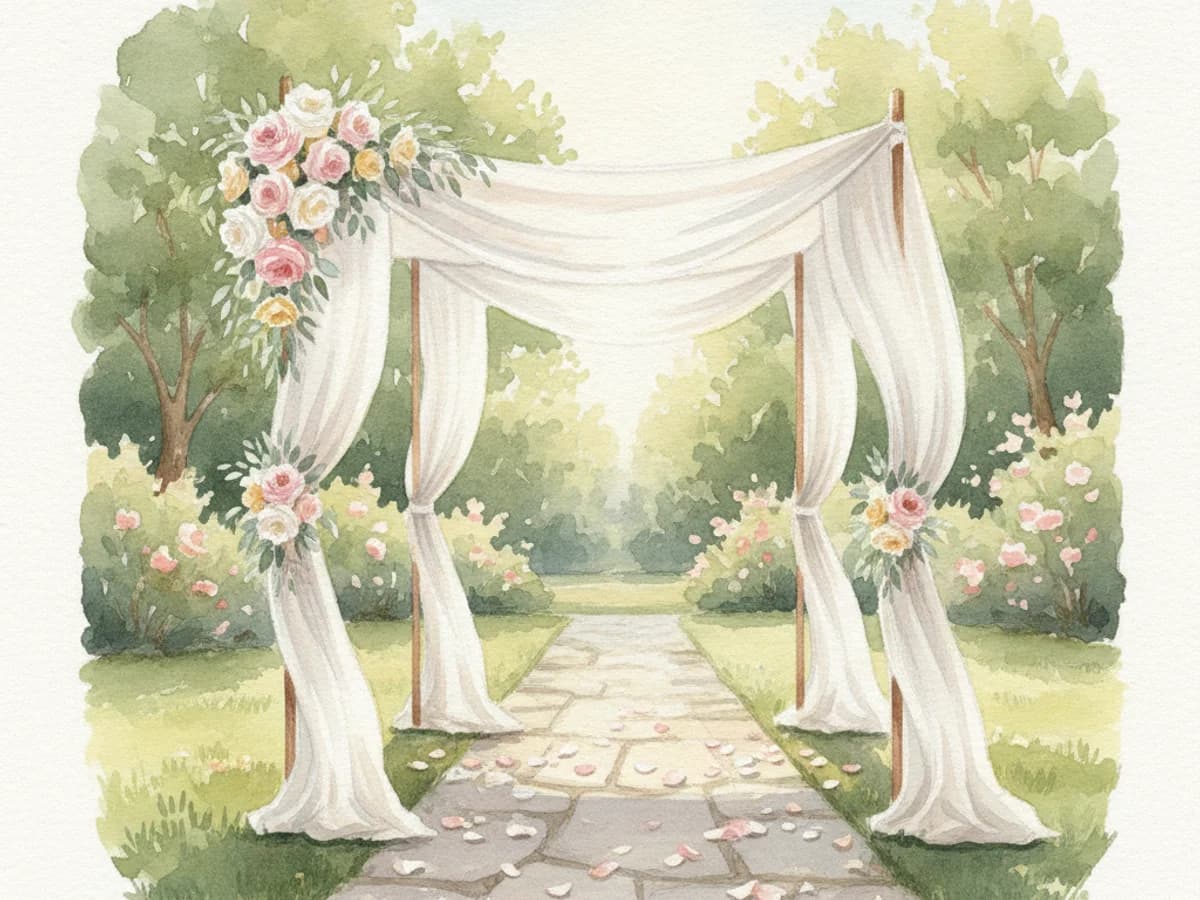
The wedding ceremony takes place under a chuppah (wedding canopy) symbolizing the new home the couple will build together. Seven blessings (sheva brachot) praise God for creation, humanity, and the joy of the couple, connecting their personal happiness to cosmic themes.
The ceremony concludes when the groom breaks a glass, traditionally interpreted as remembering the destruction of the Temple even in moments of greatest joy. Guests shout "Mazel tov!" and the celebration continues with dancing, singing, and feasting.
Lifecycle Events Comparison Table
| Event | Age/Timing | Key Rituals | Community Role |
|---|---|---|---|
| Brit Milah | 8th day after birth | Circumcision, naming, blessings | Minyan required, communal meal |
| Naming (girls) | Within first month | Hebrew naming, blessings | Synagogue or home ceremony |
| Bar/Bat Mitzvah | Age 12-13 | Torah reading, blessings | Synagogue service, celebration |
| Wedding | Adulthood | Chuppah, ketubah, seven blessings | Community witnesses, celebration |
| Death/Mourning | End of life | Tahara, burial, shiva | Minyan for prayers, meal support |
Death and Mourning Practices
Jewish traditions surrounding death emphasize respect for the deceased, comfort for mourners, and affirmation of life's sanctity. Understanding these practices helps conversion candidates participate appropriately in community mourning and plan for their own eventual needs.
Immediately after death, the body receives tahara (ritual washing and purification) performed by the chevra kadisha (burial society). This sacred task prepares the deceased for burial with dignity and respect, following ancient customs that honor the human soul's divine nature.
Jewish law requires prompt burial, typically within 24 hours unless delayed by Shabbat or holidays. The deceased is dressed in simple white shrouds (tachrichim) and placed in a plain wooden casket, emphasizing equality in death regardless of wealth or status during life.
The funeral service includes prayers, psalms, and eulogies that celebrate the person's life while acknowledging grief. Mourners perform k'riah (tearing of garments) to express their loss physically, and attendees participate in filling the grave as a final act of kindness.
Following burial, immediate family members observe shiva (seven days of intensive mourning) during which community members visit to offer comfort, bring food, and ensure a minyan for daily prayers. This period allows mourners to grieve while receiving community support.
⚠️ Warning
Jewish mourning practices include specific restrictions during shiva, including prohibitions on leather shoes, sitting on regular chairs, and personal grooming. Visitors should dress modestly and follow the mourners' lead regarding conversation topics.
Adult Lifecycle Events
Beyond childhood and marriage, Jewish adults encounter additional lifecycle moments that carry religious significance. These events often become more meaningful to conversion candidates as they integrate into Jewish community life and develop deeper spiritual connections.
Pregnancy and childbirth involve specific prayers and customs, including reciting the Birkat HaGomel (blessing of deliverance) after safe delivery. Many communities organize baby naming ceremonies for both boys and girls that welcome new families and celebrate continuity.
Career transitions, new home purchases, and significant birthdays often receive religious recognition through special blessings or synagogue honors. The Jewish concept of marking time through blessings extends to virtually every life experience, creating opportunities for spiritual awareness.
Retirement and aging bring opportunities for increased Jewish learning and community involvement. Many older adults deepen their Jewish practice, study Torah more intensively, or take on volunteer roles that strengthen community bonds and pass traditions to younger generations.
Some communities have developed contemporary lifecycle ceremonies for modern situations like divorce, adoption, or recovery from illness. These emerging practices demonstrate Judaism's ability to adapt ancient wisdom to contemporary needs while maintaining core spiritual principles.
Conversion-Specific Considerations
As a conversion candidate, you'll experience several lifecycle events differently than those born Jewish. Your conversion itself becomes a profound lifecycle moment that deserves recognition and celebration within your Jewish community.
Many converts choose to mark their conversion anniversary annually, treating it as a personal Jewish birthday that commemorates their spiritual rebirth. This practice helps maintain connection to the conversion journey and celebrates ongoing Jewish growth.
If you have children from before conversion, their Jewish status depends on your denomination's policies and may require separate conversion ceremonies. Planning these transitions carefully ensures your entire family can participate fully in Jewish lifecycle events.
Future lifecycle events take on special meaning for converts who actively chose Jewish life. Your jewish conversion timeline prepared you for these moments, and participating in them affirms your commitment to Jewish living and community membership.
Some converts find particular joy in lifecycle events they never experienced in childhood, such as having an adult bar/bat mitzvah or celebrating Jewish holidays with their own children. These experiences validate the conversion journey and create new family traditions.
Preparing for Participation
Understanding lifecycle events intellectually differs from participating emotionally and spiritually. Conversion candidates should seek opportunities to attend these ceremonies respectfully and observe community customs firsthand.
Ask your rabbi about appropriate ways to witness brit milah ceremonies, attend bar/bat mitzvah services, or participate in wedding celebrations. These experiences provide practical knowledge about timing, dress codes, gift-giving customs, and behavioral expectations.
Consider your own future participation in these events as you complete your conversion studies. How will you handle your children's lifecycle events? What traditions will you emphasize in your Jewish home? These questions help integrate lifecycle awareness into broader conversion planning.
Practice the Hebrew blessings and songs commonly used in lifecycle celebrations. Familiarity with these prayers allows confident participation and demonstrates your commitment to Jewish literacy. Your siddur guide includes many relevant prayers for lifecycle events.
Community involvement in others' lifecycle events creates reciprocal relationships that enrich Jewish living. The families you support during their celebrations become the community that celebrates your own milestones and those of your future family.
Frequently Asked Questions
What lifecycle events must conversion candidates understand before their beit din?
Conversion candidates should understand the basic structure and significance of brit milah, bar/bat mitzvah, Jewish weddings, and mourning practices. Focus on the spiritual meanings rather than detailed ritual procedures, as rabbis expect conceptual understanding more than technical expertise. Your beit din preparation should include discussing how these events connect to Jewish values and community life.
Can converts have adult bar/bat mitzvah ceremonies after conversion?
Yes, many converts choose adult bar/bat mitzvah ceremonies to publicly celebrate their Jewish learning and mark their religious coming-of-age. These ceremonies follow similar formats to youth celebrations but often include more sophisticated Torah study and personal reflection on the conversion journey. Discuss this option with your rabbi during conversion studies.
How do Jewish lifecycle events differ between Orthodox, Conservative, and Reform communities?
Orthodox communities maintain traditional gender roles and ritual requirements, Conservative communities blend tradition with some modern adaptations, and Reform communities emphasize personal meaning and egalitarian participation. The basic structure remains consistent across movements, but specific practices around women's participation, Hebrew requirements, and ceremonial details vary significantly.
What should conversion candidates know about participating in mourning rituals?
Learn the basics of shiva visits, including bringing food, avoiding leather shoes, following mourners' conversational cues, and participating in minyan prayers if requested. Understanding Jewish attitudes toward death, burial practices, and mourning periods helps you support community members appropriately and prepares you for future losses within your Jewish circle.
Are there special lifecycle considerations for converts with non-Jewish families?
Converts often navigate complex family dynamics around lifecycle events, especially regarding children's ceremonies or holiday celebrations. Work with your rabbi to develop strategies for honoring both your Jewish commitment and family relationships. Some converts create new traditions that acknowledge their journey while respecting their background and maintaining family connections where possible.
Conclusion
Jewish lifecycle events create the rhythm of Jewish living, connecting personal milestones to eternal themes and community bonds. As you complete your conversion journey, understanding these sacred moments prepares you for full participation in Jewish life and meaningful contribution to your community's celebrations and sorrows.
These traditions will become your traditions, marking your family's journey through time with ancient wisdom and contemporary relevance. The brit milah ceremonies you attend will inform decisions about your future children, the weddings you witness will shape your own marital expectations, and the mourning rituals you observe will comfort you in times of loss.
Ready to deepen your Jewish knowledge and prepare comprehensively for conversion? Join Judaism offers complete study materials, practice quizzes, and expert guidance to help you master all aspects of Jewish life, including lifecycle events and their deeper meanings.